Asia cruises · Distinct regions, remarkable ports & thoughtful planning
Asia cruises.Choose your region.
Plan your port days.
A Japan-focused cruise and a Southeast Asia voyage offer different places, seasons and travel demands. Start with the countries and experiences you want, then compare the actual itinerary and time ashore.
Let’s choose a ship you’ll enjoy and a route that gives your priorities room to fit. We’ll connect the cruise with long-haul flights, arrival nights and the transport each port day needs.
Personal planning with Travis Lesatz in Oshkosh, Wisconsin. Helping travelers nationwide.
Start with the places that matter
Which part of Asia
do you want to experience?
Asia is a broad destination preference. Choose the region and travel rhythm first, then compare the ships and dates that can bring those choices together.
| Cruise family | What to explore | Important planning detail |
|---|---|---|
| Japan-focused | Cultural cities, food, gardens, coastal communities and selected scenery. | Read every country on the route; a Japan-focused cruise may also call elsewhere. |
| East Asia combination | Japan, Korea and selected additional destinations on the actual sailing. | Ports, climates and entry requirements can change within the same voyage. |
| Southeast Asia | Singapore, Thailand, Malaysia, Vietnam and other advertised calls. | Check tropical conditions, city transfers and useful time ashore. |
| Longer regional or ocean connection | Several regions or a verified transpacific segment. | More sea days, different gateways and a larger time-away commitment. |
| Singapore ship-focused stay | A particular onboard experience combined with Singapore time. | An Asian homeport does not establish a multi-country sightseeing itinerary. |
Official planning details: Celebrity Asia programmes · Norwegian Asia programmes · Disney Singapore itineraries
Japan & East Asia
Coastal visits. Cultural priorities.
A route chosen around you.
A Japan-focused cruise can help you sample several places while returning to the same ship. Choose the actual calls and shore windows, especially when a city, garden or seasonal experience is the reason for traveling.
Cities and coastal communities.
Compare the places you most want to visit with the cruise’s ports. Food, history, gardens or everyday exploring can shape very different outings; choose the experience before filling the schedule.
Scenery with realistic expectations.
A Mount Fuji-labelled call does not guarantee visibility or a summit visit. Read the exact excursion and seasonal access arrangements instead of building the day around a promised photograph.
Other countries on the itinerary.
A Japan route may include Korea or another jurisdiction. Review the full map and entry instructions. A familiar destination headline does not tell you every country the ship visits.
Southeast Asia
Choose the countries.
Then make the port hours work.
A Singapore-based regional voyage, a Thailand/Vietnam itinerary and an island-focused route can offer different experiences. Read the ports, transport demands and sea-day rhythm before comparing ships.
Your priority countries.
Start with the places you want to experience most, then see which actual routes connect them. A destination category is a search starting point rather than a list every sailing visits.
City or coastal outing?
Decide whether the call is about an inland city, a local waterfront, a beach or a guided cultural visit. Travel to the chosen experience can use a meaningful portion of the day.
Longer calls and overnights.
Selected overnights can help when an evening or more time in a destination matters. Confirm the actual arrival, clearance, all-aboard instructions and excursion timetable before planning around one.
The port may not be the city
Read the place in parentheses
as carefully as the headline.
The advertised destination and the ship’s actual port are not always the same location. That distinction affects hotels, transfers, excursions and how much time you have at the sights.
| Advertised area | Port or gateway detail | What to confirm |
|---|---|---|
| Tokyo / Yokohama | Use the port and terminal shown in your sailing documents. | Airport, city hotel and berth are separate locations; plan the connections. |
| Kyoto / Osaka or Kobe | Kyoto sightseeing involves travel from the actual coastal call. | Tour transport, useful time at the sites and return margin. |
| Bangkok / Laem Chabang | The port-to-city journey belongs in the plan. | Berth, tour pickup, road transfer and the actual sightseeing window. |
| Ho Chi Minh City / Phu My | Read the booked port and the operator’s meeting instructions. | Transfer, desired sights and the ship’s all-aboard time. |
| Hanoi / Ha Long area | Bay scenery and inland city sightseeing are different priorities. | Actual berth, tour route and which experience fits the available time. |
| Singapore, Hong Kong or an island call | Use the actual terminal, berth or tender arrangements. | Airport/hotel travel or the journey to your chosen outing; no universal transfer time. |
Official planning details: Yokohama terminal information · Asia port and city labels
Your usable time ashore
Choose the priority.
Build the day around it.
Port arrival and departure times are not the same as sightseeing hours. Account for getting ashore, the meeting point, transport and the required return before deciding what fits.
-
Name the main experience.
Choose the cultural visit, scenery, food experience or neighborhood you care about most. Then compare an outing that provides useful time there rather than only a long list of places passed on the road.
-
Read the excursion details.
Review guide language, walking, steps, transport, meals and admissions. Check whether the advertised duration begins at the pier or elsewhere and whether the pace suits everyone in your party.
-
Compare independent plans practically.
Self-arranged exploration can work where the journey is manageable. Prepare the correct return address, offline information and the ship’s contact instructions. Include queues and the transport back.
-
Use an overnight deliberately.
An evening outing or a second sightseeing day may be possible, but not every overnight works the same way. Confirm authorized access, local dates, excursion times and when you must be aboard again.
Seasons, scenery & your dates
There is no single
best month for all of Asia.
The route matters more than one continent-wide season label. Compare the countries and coasts you want with your travel dates and the experience that matters most.
Japan’s changing scenery.
Spring blossoms and autumn colour are appealing priorities, but timing varies by place and year. A seasonal itinerary does not guarantee peak scenery at every call.
Regional weather differences.
Japan has distinct regional climates. Southeast Asia’s countries and coasts also have different weather patterns; one blanket monsoon date range will not describe every route.
The full journey.
Review arrival-city conditions, shore days and any ocean passage. Pack for the chosen outings and monitor current forecasts and operating instructions closer to travel.
Official planning details: Japan weather guidance · Princess Asia programmes
Long-haul flights & a thoughtful beginning
Arrive with time
to recover and enjoy the gateway.
I strongly recommend arriving at least the day before when flying to embarkation. For long-haul travel, extra margin and recovery time can make the beginning of the cruise more comfortable.
One local-date timeline.
Put the flight’s local landing date, hotel check-in and embarkation on the same calendar. Crossing time zones can make a departure date at home different from your arrival date abroad.
The right hotel and transfer.
Choose lodging for your actual city plans and port journey. A Tokyo-area airport, central-city hotel and Yokohama terminal are separate locations, even when the trip is described as “Tokyo.”
A useful arrival stay.
Two or more pre-cruise nights can be worth comparing when you want city time or additional recovery. They are an option to plan around your needs rather than a requirement for every Asia cruise.
Cruise + purposeful city time
Add land nights
when they serve your goals.
A cruise can connect selected coastal visits. Extra city nights can provide more depth before or after sailing without trying to squeeze a longer stay into one port call.
Before the cruise.
A deliberate arrival stay can combine recovery with sightseeing. Choose its length and hotel around what you want to do, then arrange the transfer to the actual cruise terminal.
After the cruise.
Compare a city stay with flying home immediately. Include baggage arrangements, lodging and the airport journey; follow sailing-specific advice for any same-day flight.
Packaged or separately arranged.
A cruise-line land tour and an independent hotel stay are different products. Compare hotel nights, guided portions, meals, transfers and what is included beyond the base cruise fare.
Cruise nights, calendar dates and full sightseeing days are different measures. Include both arrival travel and any land extension when calculating your complete time away.
Review each traveler and each entry
Documents follow the itinerary,
not just the word “Asia.”
Check citizenship, passport details, flights and airport transits, cruise endpoints and every call. A route with several countries or repeated entries needs more than one destination’s checklist.
Japan as an example.
Japan lists the United States among its short-stay visa-exempt nationalities. Check the current conditions and your traveler’s circumstances; that starting point does not settle every passport holder’s requirements.
Singapore as an example.
The SG Arrival Card is distinct from a visa. Current ICA instructions call for submission within three days including arrival day, with specified exceptions. Official submission is free; check how the instructions apply to each entry.
The rest of the route.
Review visas, authorizations, arrival cards, passport validity and entry method for every jurisdiction. A Hong Kong call does not establish mainland China’s rules, and an old temporary exemption may not apply on your dates.
Official planning details: Japan official visa guidance · Singapore SG Arrival Card · U.S. State Department cruise guidance
Language, access & practical comfort
Choose a trip
that works for your travelers.
The actual departure product, shore outings and pace matter alongside the brand name. Discuss practical needs early so they can shape the route and excursion choices.
Onboard and tour language.
Confirm announcements, excursion language and available support on the sailing. An offer found on another country’s booking site may also have different market eligibility or terms to review.
Access beyond the cabin.
An accessible ship cabin does not establish access on every tender, bus, venue or walking route. Review the actual excursion and confirm suitability for the needs of your party.
Comfortable exploring.
Choose an outing whose walking, transport and meal arrangements suit you. Plan local payment needs and keep practical return information available. At cultural or religious sites, follow the venue’s dress, access and photography instructions.
Brand fit meets regional feasibility
Start with your onboard style.
Then find a suitable Asia route.
A personality match helps identify a cruise atmosphere you may enjoy. The next step is checking which actual ships and dates supply the countries, port hours and travel rhythm you want.
Celebrity, Princess & Holland America.
Their Asia programme material offers regional and Japan-focused starting points to research. Compare the actual ship, countries and selected overnights rather than assume every sailing has the same mix.
Norwegian, Royal Caribbean & MSC.
Explore relevant Japan, East Asian and broader regional programmes on your dates. Confirm the sailing’s route, ship facilities, market terms and available cabins.
Disney Adventure from Singapore.
Disney’s advertised Singapore round trips put the ship experience at the center. Its reviewed itinerary lists Singapore as the port of call. Check the dated sailing rather than expect a tour of several countries.
Official planning details: Celebrity Asia programmes · Holland America Asia programmes · Norwegian Asia programmes · MSC Asia programmes · Princess Asia programmes · Royal regional itinerary example · Disney Singapore itineraries
The first afternoon aboard
Arrive at the right terminal.
Then get comfortably settled.
Complete advance check-in and follow the assigned arrival window and terminal instructions. Boarding, cabin access and checked-bag delivery may happen at different times.
Through the queues.
Carry boarding information, required documents, medication and essentials. Staff may direct you through security, immigration or document checks, check-in and boarding-group stages. Your arrival time does not guarantee immediate boarding.
The required safety process.
Complete every muster step within the ship’s deadline. It may include a video or briefing and a physical visit to your assigned station. Follow the sailing’s actual instructions.
Choose your priorities.
Have lunch, walk the ship, confirm dining or dietary arrangements and review excursions. Join a sail-away event or watch departure if offered. Guest services can explain options; any upgrade depends on availability and terms.
Boarding commonly begins around midday or early afternoon, and the final day is often an early disembarkation morning. Use the actual timetable rather than count both dates as full days aboard.
Fares aren’t always apples to apples
Compare the full Asia vacation,
not only the cabin quote.
A short cruise fare can be one part of a much larger long-haul trip. Compare consistent travelers, cabin needs, currency and occupancy assumptions before deciding which option offers better value.
Flights, stays and transfers.
Include long-haul airfare, bags, airport travel, arrival lodging, terminal transport and any land extension. Price both endpoints together for a one-way voyage.
The experiences ashore.
Add guided tours, transport, admissions and any required visas or authorizations. Long city transfers and your sightseeing priorities can shape spending as well as the pace of the trip.
Useful fare inclusions.
Compare dining, drinks, internet, service charges and other onboard spending against the actual offer. Promotions or advisor-arranged credit may help when available; check their restrictions and expected use.
Three ways to start the conversation
Which Asia vacation
have you pictured?
These are illustrative planning concepts. We’ll add an actual line, ship, date and itinerary after checking suitable sailings and availability.
Japan with city nights.
Build a deliberate Tokyo/Yokohama arrival plan, then choose the coastal route and priority shore experiences. Review any additional country calls and add extra city time where it matters.
Southeast Asia with useful port hours.
Start with your priority countries and compare the actual city transfers. Choose longer calls or overnights where they support the experiences you want.
A broader regional journey.
Explore a verified different-endpoint route, arrange both gateway flights and consider purposeful nights before or after sailing. If an ocean passage is included, make its sea-day rhythm part of the choice.
These ideas are not live offers and carry no price, fixed port sequence or available-cabin promise. A Singapore ship-focused stay is another distinct format we can compare.
Make it your kind of vacation
An idea is a good start.
Let’s make it a workable plan.
Tell me your priority countries, the experiences you want and how much time you would like ashore. We’ll use those answers to choose the cruise and the travel around it.
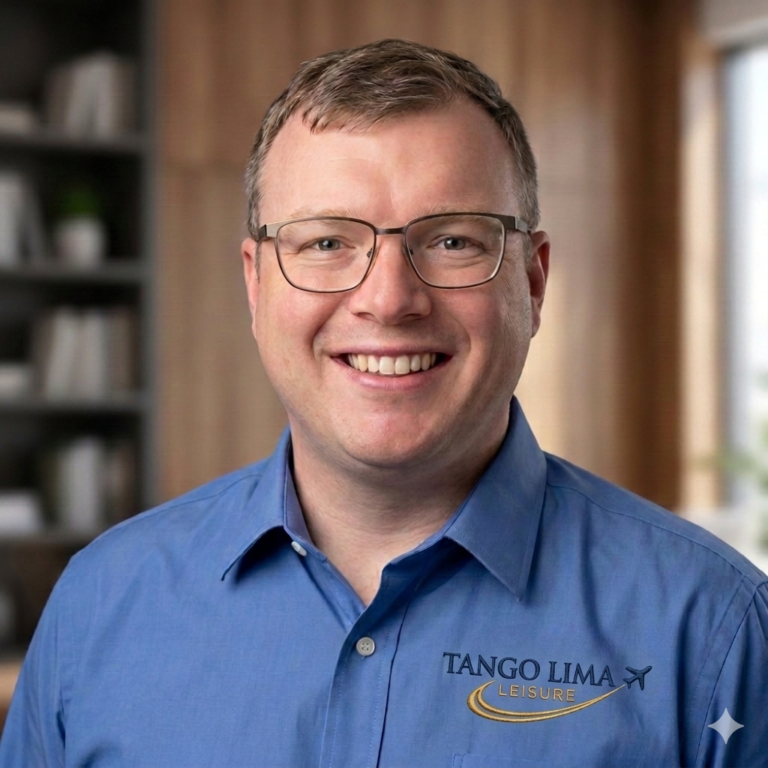
Your travel advisor
Travis Lesatz · Tango Lima Leisure
I’m Travis Lesatz, founder of Tango Lima Leisure in Oshkosh, Wisconsin. I help travelers nationwide compare the region, ship and complete vacation.
Share your dates, travelers, preferred airport, budget and sightseeing pace. I’ll connect those details with suitable sailings, arrival nights, practical port plans and the documents your actual route needs.
Before you book
Asia cruise questions.
Tell me what you’re wondering about. We’ll check the details for your travelers, dates and actual sailing.
Are Japan and Southeast Asia the same kind of cruise?
No. They offer different geography, ports, seasons and travel demands. Compare the actual route, countries and usable shore time rather than treat the Asia destination label as one uniform vacation.
Does a Tokyo listing always mean the same cruise terminal?
No. Use your booked port and terminal, including Yokohama where specified. Yokohama has several facilities; the airport, hotel and berth also need their own connected transfer plan.
Can I walk off the ship straight into Kyoto or Bangkok?
Do not assume that. Read the actual port, such as Osaka/Kobe for a Kyoto outing or Laem Chabang for Bangkok. Compare transport, sightseeing time and the required return before choosing the day’s plan.
Will a spring Japan cruise guarantee peak cherry blossoms?
No. Timing varies by location and year. Seasonal scenery can be a planning preference, but neither a cruise date nor an excursion title guarantees peak conditions at every call.
Is there one best month for an Asia cruise?
No. Compare the specific countries, coasts and experiences with your dates. Japan’s regional seasons and Southeast Asia’s different weather patterns do not fit one continent-wide rule.
Are all Asia cruises and excursions conducted in English?
Check the actual sailing, departure market, announcements and shore-tour language. A brand name or offer on another country’s booking site does not settle every language or support question.
Does Disney’s Singapore cruise visit several countries?
Do not assume that. The reviewed Disney Adventure Singapore product is ship-focused and lists Singapore as its port of call. Inspect the actual dated itinerary if visiting other countries is a priority.
Can I stay aboard instead of obtaining a required visa?
Do not rely on that. Check current official and cruise-line instructions for every traveler and call, including transit airports and repeated entries. A requirement can apply even when you do not plan to go ashore.
Should I arrive before embarkation day?
That is my strong recommendation when flying, especially for long-haul travel. Additional nights can allow recovery or a city stay. The margin should fit your journey; it is not a blanket line requirement.
Can my preferred quiz brand still be my personality match?
Yes. The assessment reflects your onboard preferences. I review destination, dates, travelers and budget afterward to find suitable sailings, or discuss another strong match when the desired itinerary is unavailable.
Official sources & planning references
Reviewed October 6, 2026. Schedules, entry requirements, access, excursion terms and services can change. Use the actual sailing documents and current official instructions when booking.
- Celebrity — Asia regions, ports and selected overnights
- Holland America — Asia cruise programmes
- Norwegian Cruise Line — Asia cruises and land-tour options
- MSC — Asia and Far East cruises
- Princess — Asia cruise programmes
- Royal Caribbean — Singapore–Tokyo February 2027 itinerary (dated route; Singapore market terms)
- Disney Cruise Line — Disney Adventure Singapore round trips
- City of Yokohama — Osanbashi, Daikoku and Shinko terminal information
- Celebrity — Asia ports, including Bangkok/Laem Chabang and Ho Chi Minh City/Phu My
- Japan National Tourism Organization — Weather and geography
- Japan Ministry of Foreign Affairs — Short-stay visa exemptions
- Singapore ICA — SG Arrival Card and Electronic Health Declaration
- U.S. State Department — Cruise documents and travel planning
Keep exploring
A few more pieces of your cruise plan.
Ocean crossings.
Explore the sea-day rhythm and gateway planning when your Asia journey includes a transpacific segment.
Compare cruise lines.
Find the onboard style you enjoy, then match it with a suitable region, ship and itinerary.
First-time cruisers.
Feel comfortable with check-in, boarding and your first afternoon aboard.
Your next chapter starts at sea
Your Asia cruise.
A thoughtful plan around it.
Let’s choose the region, ship and useful port time—then connect the flights, arrival nights and shore experiences into a vacation that fits you.