Introduction
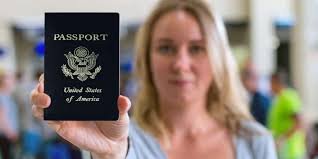
For most travelers, a passport is the document that turns travel from an idea into a real possibility.
It is the one piece of identification that opens the door to international flights, cruises, and spontaneous trips across the border. I often tell clients that even if you don’t have an international trip planned yet, having a valid passport gives you freedom. When a deal pops up or a last-minute adventure presents itself, you are ready.
But getting a passport can feel surprisingly complicated the first time you go through it. There are forms, photos, rules about paper copies, and a few details that can easily trip people up. 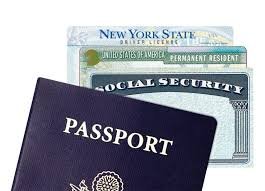
I learned that the hard way.
When I applied for my first passport, I ended up submitting my application three different times because my photo kept getting rejected. The reason? I was wearing glasses. No one had told me about the “no glasses” rule, and since I wear my glasses basically 24/7, that felt like the most natural representation of me. Unfortunately, the passport office disagreed.
That experience taught me that the smallest technical details can delay the process.
So in this guide, I’ll walk you through everything you need to know about getting a U.S. passport in 2026. From choosing the right application form to avoiding the mistakes that cause delays, this guide will help you get it right the first time.
Step 1: Which Passport Application Do You Actually Need?
The first step in getting a passport is figuring out which application path applies to you. This is where many people make their first mistake.
There are three main ways to apply.
First-Time Passport (Form DS-11)
If you are applying for your first U.S. passport, you must use Form DS-11 and apply in person.
You also need to use this form if:
• You are under age 16
• Your previous passport was issued before you turned 16
• Your passport was lost or stolen
• Your passport was issued more than 15 years ago
DS-11 applications must be submitted at a passport acceptance facility. These are commonly found at post offices, libraries, and local government offices.
A passport agent will review your documents, witness your signature, and send your application to the U.S. Department of State.
Passport Renewal by Mail (Form DS-82)
If you already have a passport and meet certain conditions, you can renew it by mail using Form DS-82.
You qualify if:
• Your passport is undamaged and still in your possession
• It was issued when you were 16 or older
• It was issued within the last 15 years
• Your name is the same (or you have legal name-change documentation)
This process is much simpler than a first-time application because you do not need to appear in person.
Online Passport Renewal
The U.S. Department of State rolled out a fully operational online renewal system in late 2025.
If you qualify, this is now the easiest way to renew your passport.
Requirements include:
• You are 25 or older
• You live in the United States
• You are renewing a standard 10-year passport
• Your name has not changed
• You are not traveling internationally within 8 weeks
With this system, you upload a digital passport photo and pay online with a credit card.
Step 2: The Documents You Must Bring
When applying for a passport, you need to provide proof of both citizenship and identity. These documents are often referred to as the “golden documents” of the application process.
Proof of U.S. Citizenship
You must provide an original document plus a photocopy.
Common acceptable documents include:
• Certified U.S. birth certificate
• Consular Report of Birth Abroad
• Certificate of Naturalization
• Previous U.S. passport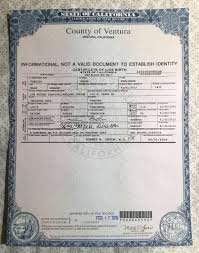
If you are using a birth certificate, it must be a certified “long-form” version issued by a government office.
That means it must include:
• Your parents’ names
• A registrar’s signature
• An official seal or stamp
The decorative hospital certificates that sometimes include footprints are not accepted.
Proof of Identity
You must also provide a valid photo ID.
Most applicants use a driver’s license, but other options include:
• Military ID
• Government employee ID
• State-issued identification card
In addition to the original ID, you must submit a black-and-white photocopy of the front and back.
These copies must be printed on standard 8.5 x 11 paper and must be single-sided.
Step 3: Passport Photo Rules (Where Most People Get Rejected)
Passport photos are the number one reason applications get delayed or rejected.
The rules are stricter than most people expect.
Your photo must meet the following requirements:
• Exactly 2 x 2 inches in size
• Taken within the last 6 months
• Plain white or off-white background
• Neutral facial expression
• No shadows on the face or background
And most importantly, no glasses are allowed, even if you wear them all of the time and it’s your “natural” look. This is not just sunglasses or accessories. It is NO GLASSES.
This rule trips up a lot of people, including me.
When I applied for my passport, I submitted my photo with glasses because that is what I wear every single day. I assumed it would be fine because it was the most accurate representation of how I look.
Instead, my application came back rejected.
So I tried again.
Rejected again.
Eventually I realized the issue was the glasses rule, retook the photo without them, and the application finally went through.
It sounds simple, but if you normally wear glasses all the time, it is an easy mistake to make.
Where to Get Passport Photos
Most people get passport photos taken at:
• Pharmacies like CVS or Walgreens
• Shipping stores like UPS or FedEx
• Some post offices and passport offices
You can also take the photo yourself at home as long as it meets the official requirements.
For online passport renewal, the digital photo must be:
• JPEG format
• At least 600 x 600 pixels
• Minimum file size of 54KB
Step 4: How Much a Passport Costs in 2026
Passport fees depend on the type of application.
For most adults applying for a passport book, the cost is:
First-time adult passport:
$130 application fee + $35 execution fee
Total: $165
Adult passport renewal:
$130
Child passport (under 16):
$100 application fee + $35 execution fee
Total: $135
Passport card:
$30 for adults
$15 for minors
One confusing detail is that first-time applications require two separate payments.
The application fee goes to the U.S. Department of State and is usually paid by check or money order.
The execution fee is paid to the facility that processes your application.
Optional services include:
Expedited processing: +$60
1–2 day return shipping: +$22.05
You can also request a larger 52-page passport book at no additional cost.
Step 5: How Long Passports Take in 2026
Processing times have improved significantly in recent years.
As of 2026, typical timelines are:
Routine service: 4 to 6 weeks
Expedited service: 2 to 3 weeks
These timelines include mailing time in both directions.
My recommendation is to apply several months before any international trip. Travel plans have a way of coming together quickly, and the last thing you want is to be scrambling for a passport two weeks before departure.
Step 6: Passport Book vs Passport Card
When applying for a passport, you may notice the option to choose a passport book, a passport card, or both.
The passport book is the standard document most travelers use.
It allows international travel by:
• Air
• Sea
• Land
The passport card is more limited.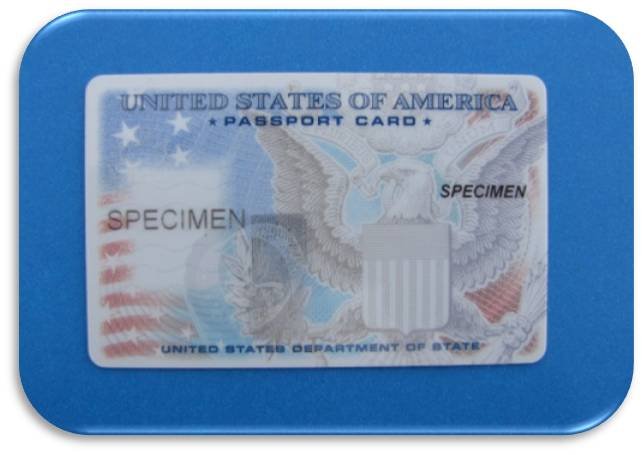
It only works for land and sea travel between the United States and:
• Canada
• Mexico
• Bermuda
• Caribbean countries
It cannot be used for international flights.
Some travelers still choose the passport card as a secondary ID or for road trips to Canada or Mexico.
But if you plan to travel internationally by air, the passport book is essential.
Step 7: Common Mistakes That Delay Passport Applications
Most passport delays are caused by small technical mistakes.
Here are some of the most common ones I see.
Using white-out on the application form. If you make a mistake, start over with a new form.
Printing the form double-sided. Passport applications must be printed on single-sided paper.
Missing photocopies. Every ID and citizenship document must have a photocopy.
Incorrect passport photos. Glasses, shadows, and incorrect sizes are common problems.
Using the wrong form. DS-11 and DS-82 are not interchangeable.
Paying attention to these small details can save you weeks of delays.
What to Do If Your Passport Is Expired Right Before a Trip
If you realize your passport is expired shortly before international travel, you still have options.
If you have travel within 14 days, you can make an appointment at a regional passport agency.
These offices can issue passports in a matter of days in urgent situations.
However, appointments are required and availability can be limited, so it is always better to renew well in advance.
Final Thoughts
Getting a passport might feel like a lot of paperwork, but once it is done, it becomes one of the most valuable documents you own.
That small blue book represents opportunity. It means you can say yes to a last-minute trip to Europe, a cruise through the Caribbean, or a spontaneous weekend across the border.
And once that passport arrives in the mail, the real fun begins.
If you are planning your first international trip and want help turning that passport into an actual adventure, feel free to reach out. Helping people plan those trips is one of the best parts of what I do.