
Punta Cana: The Dominican Republic’s Coconut Coast
Introduction: First Impressions of the Coconut Coast
The moment you arrive in Punta Cana, the atmosphere feels different.
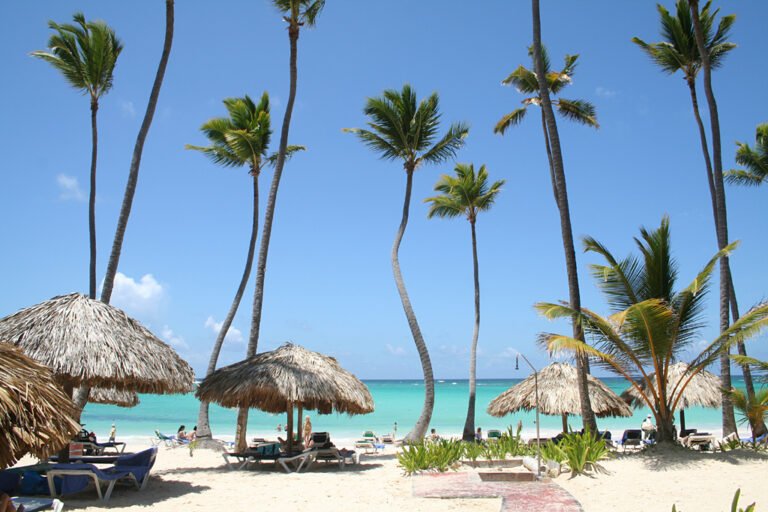
The air carries the scent of salt and warm tropical humidity. Somewhere nearby a bachata guitar drifts through the breeze. Palm trees sway over beaches that seem to stretch forever. Locals call this region the Coconut Coast, and it’s easy to see why. Miles of coconut palms line the eastern edge of the Dominican Republic, forming one of the longest uninterrupted beach landscapes in the Caribbean. Today Punta Cana is one of the most recognizable resort destinations in the world. Millions of travelers arrive each year for sunshine, turquoise water, and the convenience of beachfront resorts.
But the modern destination hides a surprisingly recent origin story.
As recently as the late 1960s, Punta Cana was almost completely inaccessible. There were no highways, no international airport, and no large-scale tourism infrastructure. Just dense jungle and endless stretches of sand. That changed when a group of investors led by Dominican entrepreneur Frank Rainieri recognized the potential of the coastline. They envisioned a world-class tourism destination built around the region’s natural beauty.
They even rebranded the name.
The area was originally known as Punta Borrachón, which roughly translates to “Drunkard’s Point.” Not exactly the most appealing name for an international beach destination. Instead, they renamed it Punta Cana, inspired by the tall Cana palms that dominate the coastline. Over the next fifty years, that vision transformed the region into the busiest tourism hub in the Caribbean. Yet Punta Cana today is more than a resort corridor. Beneath the surface lies a rich Dominican culture, a history shaped by the indigenous Taíno people, and a growing adventure scene that reaches far beyond the beach.
Understanding Punta Cana means looking beyond the all-inclusive gates.
More Than Resorts: The Regions of Punta Cana
One of the most common misconceptions about Punta Cana is that it’s just a single beach lined with resorts.
In reality, the destination stretches roughly 30 miles along the Dominican Republic’s eastern coastline, and each section of that coastline has its own personality.
Choosing the right area can dramatically change the experience of your trip.
Bávaro: The Heart of Punta Cana
If Punta Cana has a center of gravity, it’s Bávaro.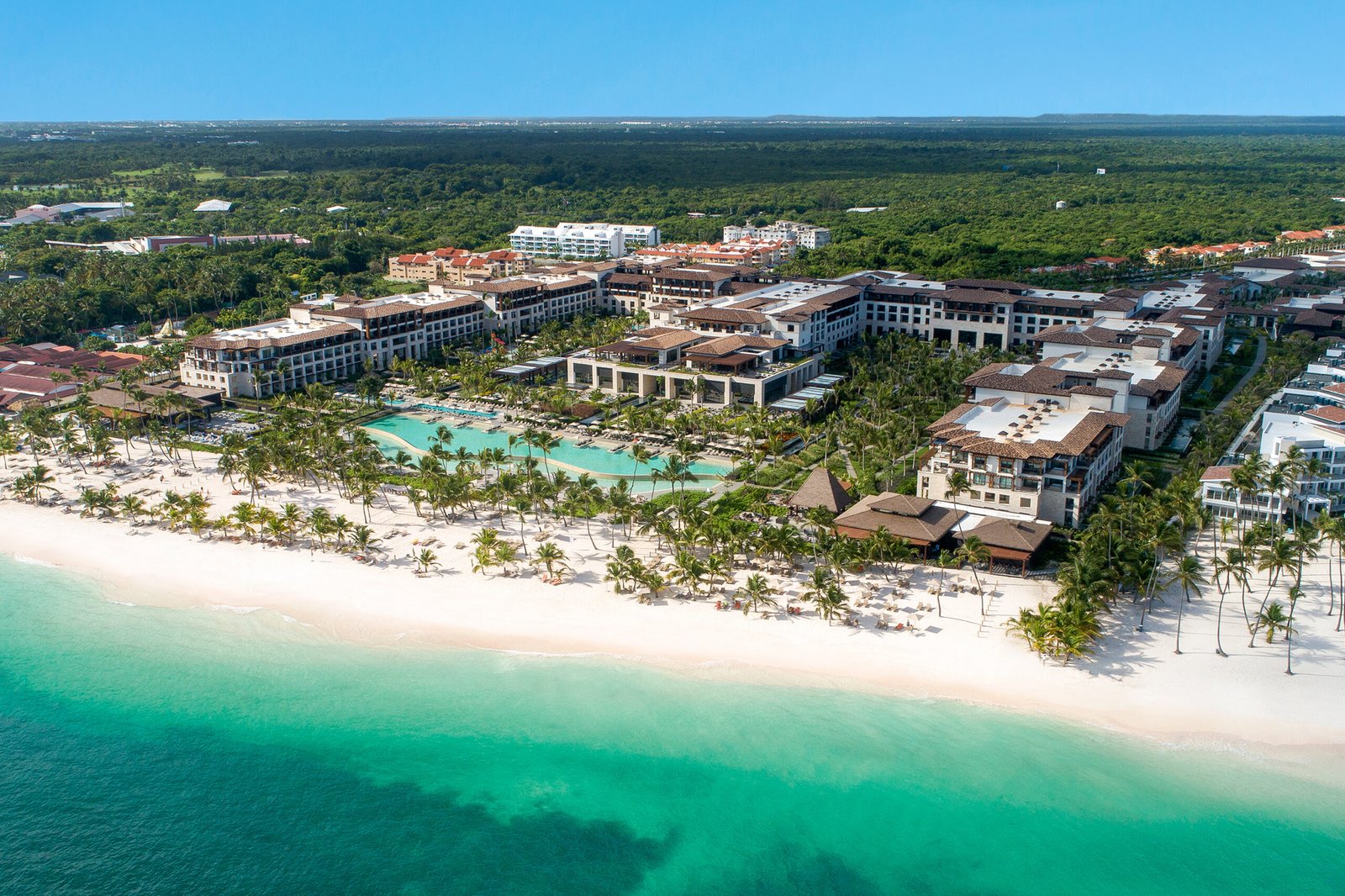
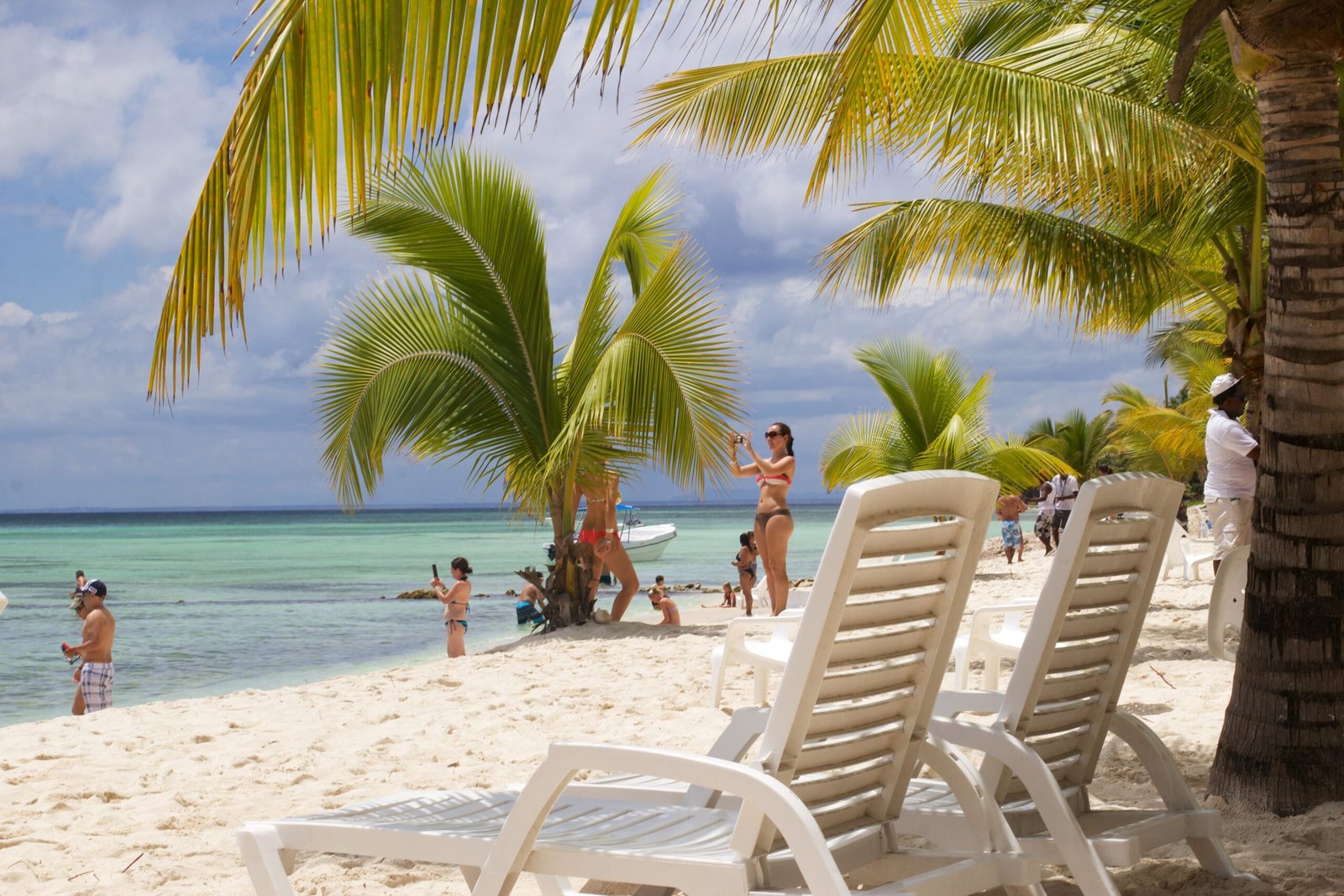
This area contains the largest concentration of resorts, restaurants, beach clubs, and nightlife venues in the region. The beaches here are wide and classic Caribbean white, with long rows of coconut palms leaning toward the sea.
For many travelers, this is the Punta Cana they picture.
The water tends to be calm and shallow, making it perfect for swimming, paddleboarding, or simply floating beneath the tropical sun. Resorts in Bávaro range from large family-friendly properties to lively adults-only resorts known for social atmospheres and beach parties.
Nightlife also lives here.
Clubs like Coco Bongo blend music, acrobatics, and theatrical performances into one of the most entertaining nightlife experiences in the Caribbean.
During peak spring travel season, the energy in Bávaro rises even higher as travelers arrive looking for sunshine and nightlife.
But even at its most lively, the beaches remain the main attraction.
Cap Cana: Punta Cana’s Luxury Frontier
Travel south along the coast and you’ll find a completely different version of Punta Cana.
Cap Cana is a private luxury enclave built around a world-class marina and some of the most exclusive real estate in the Caribbean.
This is where Punta Cana’s reputation has shifted dramatically in recent years.
While the region once catered mostly to budget beach travelers, Cap Cana has ushered in a new era of hyper-luxury tourism. Private villas, upscale resorts, and championship golf courses now attract high-end travelers and yacht owners from around the world.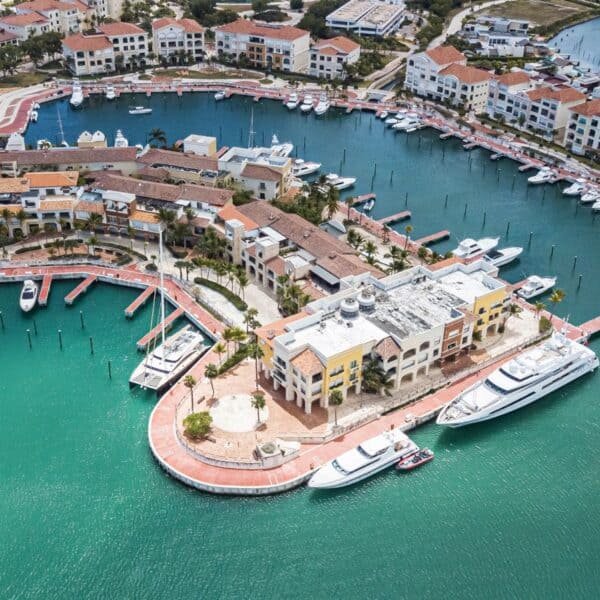
The area’s most famous stretch of sand is Juanillo Beach, widely considered one of the most beautiful beaches in the Dominican Republic.
Here the water is calm and glassy, and the beach clubs feel more like exclusive hideaways than large resort properties.
For travelers seeking a quieter, more refined experience, Cap Cana offers a completely different side of Punta Cana.
Macao: The Wild Coast
Further north lies one of the last truly public beaches in the Punta Cana region.
Macao Beach feels raw and untamed compared to the resort-lined coastline further south. Limestone cliffs frame the shoreline, and the Atlantic waves roll in with enough strength to attract local surfers.
This area has also become the center of Punta Cana’s famous dune buggy tours.
Adventurers race through jungle trails and rural roads before emerging onto the beach in clouds of red dust. It’s messy, loud, and unforgettable.
For travelers looking to see a less polished version of Punta Cana, Macao offers a glimpse of the region before the resorts arrived.
Uvero Alto: Quiet Luxury
At the northern edge of the resort corridor lies Uvero Alto, a quieter stretch of coastline known for boutique resorts and relaxed atmospheres.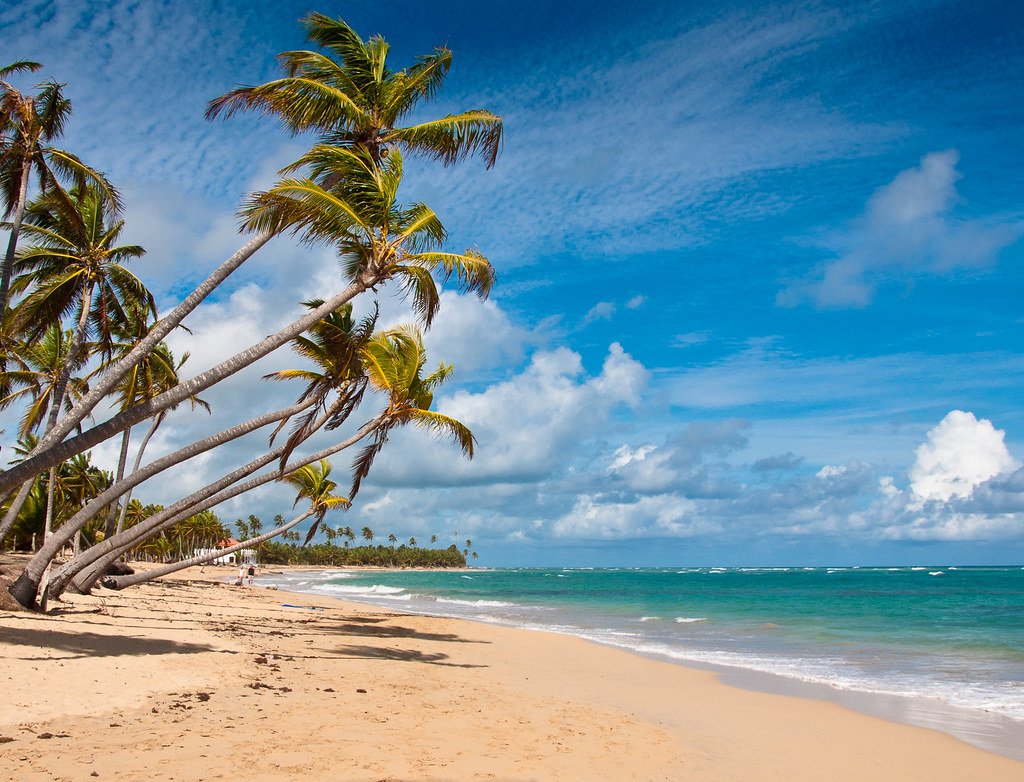
The sand here has a slightly darker golden tone compared to the bright white beaches of Bávaro. The ocean can be a bit more energetic as well, creating a more dramatic coastal landscape.
Many travelers choose Uvero Alto specifically for its slower pace.
Wellness resorts, spa retreats, and adults-only properties dominate the area, making it a favorite for couples seeking relaxation.
The Dominican Soul
Long before Punta Cana became a global tourism destination, the island of Hispaniola was home to the Taíno people. They called their homeland Quisqueya or Ayiti, names that reflected the island’s lush mountains and fertile land. Many natural landmarks in the Dominican Republic still carry Taíno cultural significance. Freshwater caves and cenotes were often seen as sacred portals connected to the spiritual world. One of the most famous examples near Punta Cana is Hoyo Azul, a deep natural lagoon hidden beneath limestone cliffs.
The cultural heartbeat of the Dominican Republic is also deeply tied to music.
Two styles dominate the national identity: Merengue and Bachata. Merengue is fast and energetic, often played during celebrations and festivals. Bachata is slower and more romantic, built around guitar rhythms that echo through beach bars and dance floors across the country. In recent years, many resorts in Punta Cana have embraced a new social trend: live bachata brunches. Instead of saving music for late-night clubs, these daytime gatherings combine live musicians, Dominican food, and dancing in a relaxed beachfront atmosphere.
Another cultural treasure unique to the Dominican Republic is Larimar, a rare gemstone found nowhere else in the world.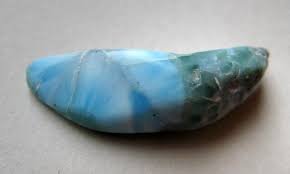
With swirling shades of blue that resemble the Caribbean Sea, Larimar jewelry has become one of the most distinctive souvenirs visitors can bring home from the island.
A Gastronomic Journey Through Punta Cana
Dominican cuisine reflects centuries of cultural blending between Taíno, Spanish, and African influences.
One of the most beloved traditional breakfasts is known as Los Tres Golpes, or “The Three Hits.” The meal begins with mangú, mashed green plantains topped with pickled red onions. It’s served alongside fried eggs, fried salami, and fried cheese. It’s hearty, flavorful, and designed to fuel a full day of exploration.
Another classic Dominican dish is sancocho, a rich stew that often includes several types of meat along with root vegetables and herbs. It’s widely considered the national dish and is often served during family gatherings or celebrations. Travelers will also encounter mofongo, a dish made from fried green plantains mashed with garlic, olive oil, and crispy pork.
But perhaps the most famous Dominican drink is mamajuana.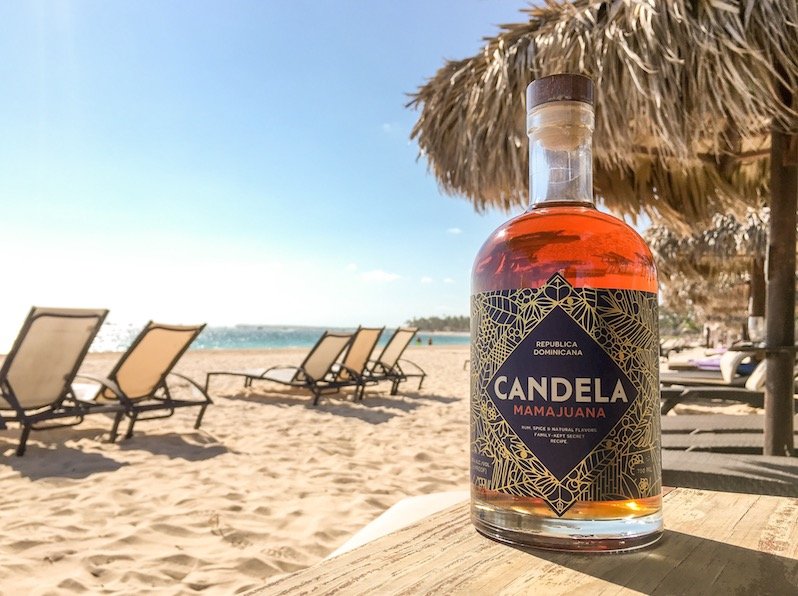
Mamajuana is a blend of rum, red wine, honey, and a mixture of herbs and tree bark steeped inside a bottle. Many Dominicans believe the drink has medicinal properties, while others simply enjoy its warm, spiced flavor. Every family claims to have its own recipe.
Trying a small glass during your trip is practically a cultural tradition.
Adventure Beyond the Sand
While Punta Cana’s beaches draw most of the attention, the region also offers a surprising number of natural adventures.
One of the most famous attractions is Scape Park, located within Cap Cana. The highlight here is Hoyo Azul, a stunning natural lagoon at the base of a 200-foot limestone cliff. The water glows an electric shade of blue thanks to minerals filtering through the underground spring. Swimming in Hoyo Azul feels almost surreal.
Another must-do excursion from Punta Cana is a trip to Saona Island. Located inside a protected national park, Saona is famous for its untouched beaches and shallow sandbars known as the Natural Pool. In this waist-deep stretch of ocean, starfish rest on the sandy seabed while boats anchor nearby. Many travelers now choose private catamaran tours to reach Saona, combining snorkeling, sailing, and beach relaxation into a full-day adventure.
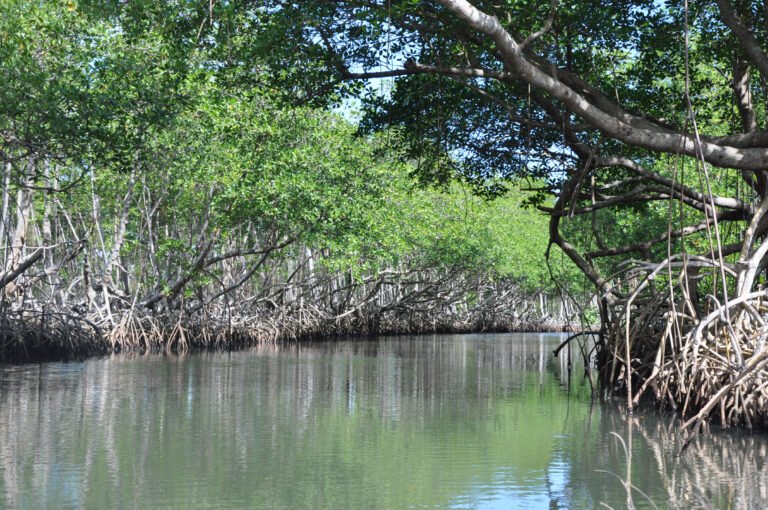
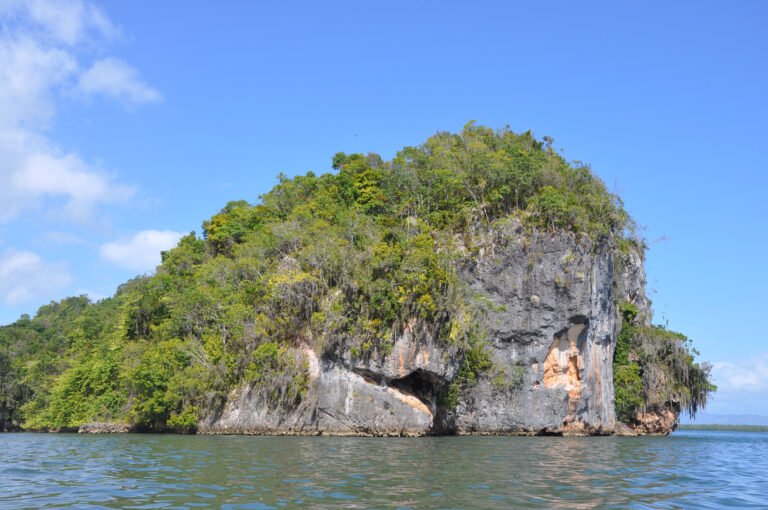
For eco-conscious travelers, Los Haitises National Park offers a completely different landscape. Towering limestone formations rise from the water like small islands, surrounded by mangrove forests and hidden caves covered with ancient Taíno cave drawings. The scenery feels almost prehistoric.
The 2026 Traveler’s Toolkit
Traveling to Punta Cana has never been easier.
Punta Cana International Airport (PUJ) is now the busiest airport in the Caribbean, with modern terminals designed to process international arrivals quickly. Visitors must complete a digital Dominican Republic e-ticket form before arrival and departure, which helps streamline the immigration process.
The best time to visit Punta Cana is typically late February through April, when temperatures are warm but humidity remains manageable. This period also aligns with the region’s busiest travel season, bringing lively energy to many resorts. For travelers looking to explore beyond Punta Cana, improved highways now connect the region with Santo Domingo, the Dominican Republic’s historic capital, in roughly two and a half hours.
The result is a perfect combination of beach relaxation and cultural exploration.
Meanwhile, sustainability has become an increasing priority for the region.
Several resorts now maintain coral nurseries, allowing guests to participate in reef restoration programs that help protect the Caribbean’s fragile marine ecosystems.
Why Punta Cana Continues to Rise
For years Punta Cana carried a reputation as a simple all-inclusive beach destination. But that reputation has changed dramatically. Today the region offers a blend of luxury resorts, cultural experiences, outdoor adventures, and some of the most beautiful beaches in the Caribbean. Few destinations provide such a wide range of travel styles in one place. And that’s exactly why Punta Cana continues to grow. Whether you come for the music, the culture, the food, or the endless palm-lined coastline, one thing becomes clear quickly.
The Coconut Coast has evolved into one of the Caribbean’s most complete travel destinations.
Ready to book your next trip?
Trip Inquiry
- 920-606-3409
- info@tangolilmaleisure.com
- Oshkosh, Wi
Florida Seller of Travel Ref.: No. ST15578
California Seller of Travel No. 2090937-50
Washington UBID No. 603189022
Iowa Registered Agency No. 1202

Newsletter
Subscribe to our newsletter to stay informed on everything travel related! Blog posts, new products (and sales), new travel specials, etc!
Scroll to Top