Cancún: Mexico’s Caribbean Gateway That Still Delivers
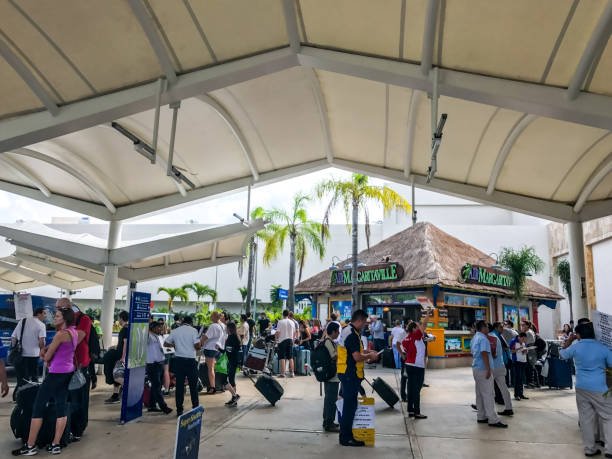
Cancún hits you the second you step outside the airport.
Warm air. The smell of salt drifting in from the Caribbean. And somewhere out there past the palm trees is water so turquoise it barely looks real. For a lot of travelers, Cancún carries a very specific reputation. Spring break. All-inclusive resorts. Late nights and beach bars. And to be fair, that version of Cancún absolutely exists.
But the reality is a lot more interesting.
Cancún is one of the youngest major cities in the world. In 1970 it was little more than a sandbar with three residents. Today it’s one of the most visited destinations anywhere in the Caribbean and the gateway to Mexico’s entire Yucatán Peninsula.The city was intentionally designed for tourism, yet it sits right on the edge of the ancient Mayan world. Five-star resorts overlook jungle landscapes that once supported one of the most advanced civilizations in the Americas.
That contrast is what makes Cancún work. You can spend the day swimming in underground cenotes, eat tacos in a local market that night, and still wake up the next morning in a luxury oceanfront hotel. Whether you’re planning a laid-back beach escape, a spring break trip with friends, or a deeper exploration of the Yucatán Peninsula, Cancún still delivers.
A City That Was Designed for Tourism
Cancún didn’t grow slowly like most coastal cities. It was engineered. In the late 1960s the Mexican government wanted to build a tourism powerhouse that could compete with places like Miami and the Caribbean islands. Through an agency called INFRATUR, planners actually used early computer models to identify the best possible location. They analyzed weather patterns, water clarity, hurricane frequency, and distance from major U.S. cities. The result was a narrow stretch of land on Mexico’s Caribbean coast.
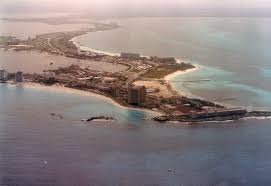
In 1970 Cancún officially began its transformation from remote coastline to international tourism hub. The first hotels appeared shortly after, followed by the airport, infrastructure, and the now-famous resort strip. Over the decades the destination kept evolving. In the 1970s and 80s Cancún attracted jet-set travelers and luxury vacationers. By the 1990s it had become one of the world’s most recognizable spring break destinations.
Today the city balances both identities. Luxury wellness resorts line the beach while a thriving local city has grown across the lagoon.
The Two Sides of Cancún
Understanding Cancún means understanding that it really exists in two separate worlds:
The Hotel Zone:
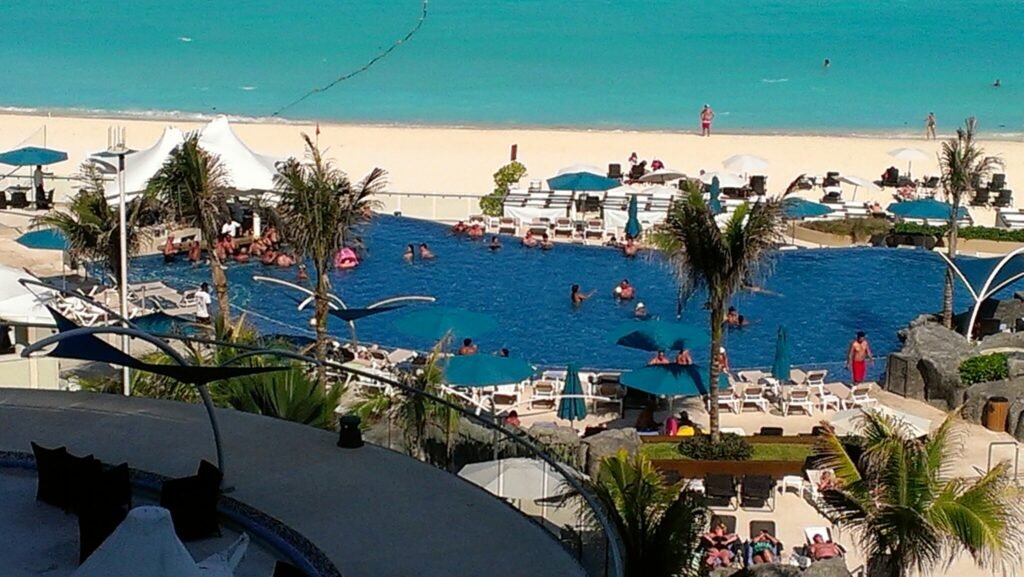
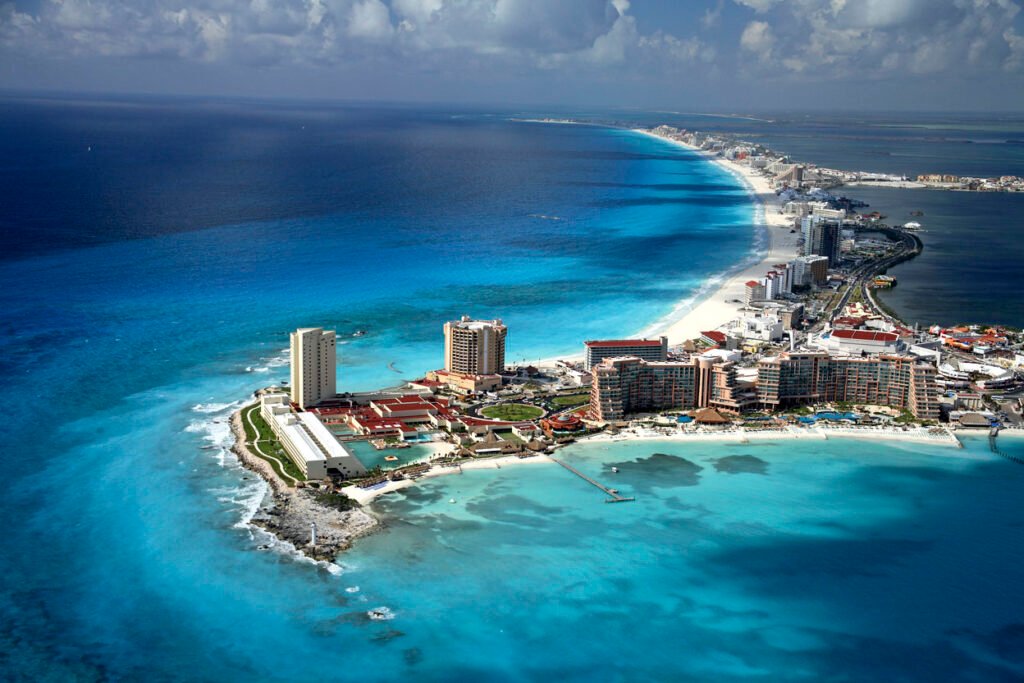
Most visitors stay in the Zona Hotelera, a 14-mile stretch of land shaped roughly like the number seven. This narrow island separates the Caribbean Sea from the Nichupté Lagoon. This is where you’ll find Cancún’s iconic skyline of resorts, beach clubs, and restaurants. The Caribbean side of the island delivers the postcard views everyone comes for. Long white sand beaches meet some of the clearest turquoise water anywhere in the Caribbean. Not all beaches here feel the same though. The northern end of the Hotel Zone tends to have calmer water and gentler waves. That makes spots like Playa Langosta and Playa Tortugas great for swimming.
Further down the long stretch of coast the beaches face the open Caribbean. Playa Delfines is one of the most beautiful viewpoints in the city, but the surf can be much stronger. Across the road sits the Nichupté Lagoon. This side feels completely different. Calm water, mangrove forests, and some of the best sunset views in the region. Many of Cancún’s most memorable restaurants overlook the lagoon rather than the ocean. It’s also a popular place for jet skiing, boat tours, and wildlife watching.
Downtown Cancún
Cross the lagoon and you’ll find a completely different city.
Downtown Cancún, known locally as El Centro, is where most residents actually live. It feels less like a resort destination and more like a working Mexican city. If you want to see the everyday rhythm of Cancún, head to Parque de las Palapas. This plaza is the social heart of downtown. Families gather here in the evenings, street vendors set up food stalls, and kids run around while musicians play nearby. It’s also one of the best places in the city to try authentic local food.
Do

wntown has also been developing a creative side in recent years. Large mural projects have transformed entire blocks into outdoor galleries, adding color and personality to areas that once looked purely residential. For travelers willing to step outside the resort bubble, this side of Cancún offers a completely different perspective on the destination.
The Mayan World Behind the Beaches
Cancún may feel modern, but the region surrounding it is deeply ancient. The city sits on the edge of what was once the heart of the Mayan civilization. The name Cancún itself likely comes from Mayan words meaning either “nest of snakes” or “place of the golden snake.”
You don’t even need to leave the city to see pieces of this history.
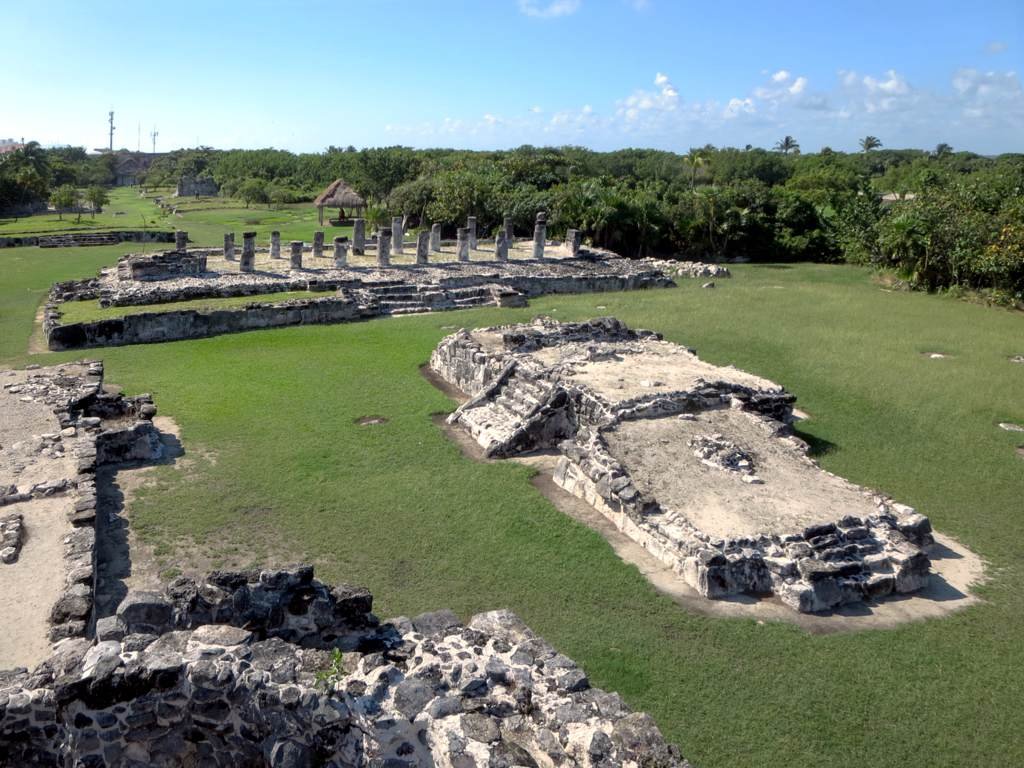
Inside the Hotel Zone sits El Rey, a small archaeological site that dates back more than 600 years. The ruins aren’t massive, but walking among them with iguanas lounging on the stones gives a glimpse of the past hidden beneath the modern city. For travelers willing to venture further, the most famous Mayan site in the region is Chichén Itzá. This ancient city is home to the Pyramid of Kukulkan, one of the most recognizable structures in the Americas. It’s about a two to three hour journey from Cancún depending on transportation.
Today the trip is even easier thanks to the new Maya Train, which connects Cancún with major destinations across the Yucatán Peninsula.
The Food Scene Most Visitors Miss
One of the biggest surprises for many travelers is how good the food in Cancún can be once you step outside the all-inclusive buffets. The Yucatán Peninsula has its own regional cuisine that feels very different from other parts of Mexico. One of the most famous dishes is cochinita pibil. Pork is marinated in achiote and sour orange, wrapped in banana leaves, and traditionally slow-cooked underground. Another regional classic is sopa de lima, a bright chicken soup with citrus flavor and crispy tortilla strips. Then there are panuchos and salbutes. These are fried tortillas piled high with shredded turkey, avocado, cabbage, and pickled onions. Downtown Cancún is the best place to try these dishes in their traditional form.
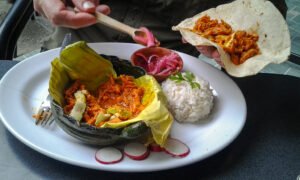
For quick bites, taco stands like El Ñero or Los de Pescado are local favorites and often serve some of the best food in the city for just a few dollars. On the other end of the spectrum, the Hotel Zone also offers a growing fine dining scene. Restaurants overlooking the lagoon specialize in seafood, steak, and elevated Mexican cuisine. Cancún also has a growing appreciation for tequila and mezcal. Some bars now offer guided tastings that explore the differences between the two spirits.
It’s a far cry from the simple margaritas many travelers expect.
Adventure Beyond the Beach
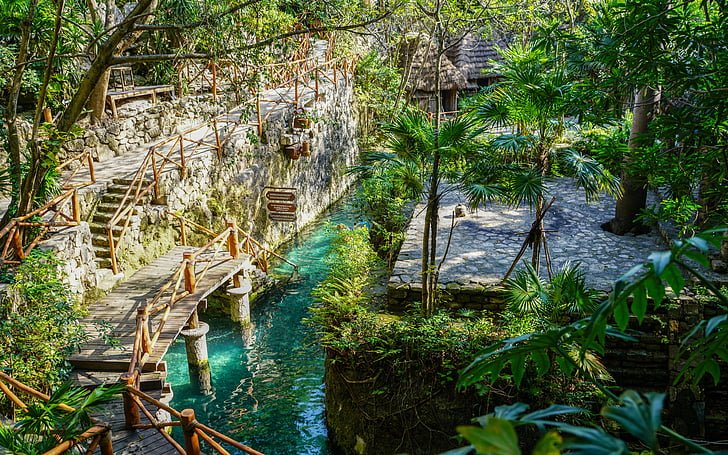
Cancún’s beaches get most of the attention, but some of the most memorable experiences in the region actually happen away from the coast. One of the most unique features of the Yucatán Peninsula is its cenotes. These natural sinkholes formed when limestone collapsed, revealing underground freshwater pools that once served as sacred sites for the Maya. Swimming in a cenote feels completely different from the ocean. Clear, cool water sits inside caves or jungle openings, often with sunlight filtering down through vines and rock formations. One of the best areas to explore cenotes is the Ruta de los Cenotes near Puerto Morelos, which tends to be less crowded than the more famous ones near Tulum.
Another unusual experience is the Underwater Museum of Art, known as MUSA. More than 500 sculptures sit on the seafloor just off the coast of Cancún. Over time coral has begun growing on the statues, turning the installation into a living reef. You can explore it by snorkeling or scuba diving.
And then there’s Isla Mujeres. A short ferry ride from Cancún brings you to this small island where golf carts replace cars and the pace slows dramatically. Playa Norte on the island is regularly ranked among the most beautiful beaches in the Caribbean.
The Spring Break Factor
Cancún has been one of the most famous spring break destinations in the world for decades. Every March thousands of college students arrive looking for sunshine, beach parties, and nightlife. The Hotel Zone is where most of that energy happens. Beach clubs, pool parties, and late-night venues keep the area active well into the early morning. But it’s important to understand that Cancún is far more diverse than its spring break reputation.
Many travelers visit for relaxation, cultural exploration, or luxury resort experiences. In recent years the destination has also leaned into wellness travel, eco-tourism, and adventure activities.
So yes, the party scene is still here.
But it’s only one piece of what Cancún offers.
Practical Tips for Visiting Cancún
The best weather in Cancún typically runs from December through April. This is the dry season when temperatures are warm and humidity is lower. Travelers looking for better prices often consider May or November, which fall just outside the busiest travel periods. Getting around the Hotel Zone is surprisingly easy. The R-1 and R-2 buses run constantly along the main road and cost about a dollar per ride. Taxis and rideshare services are also available, though it’s best to use official taxi stands or designated pickup zones.
One piece of advice that hasn’t changed over the years is simple:
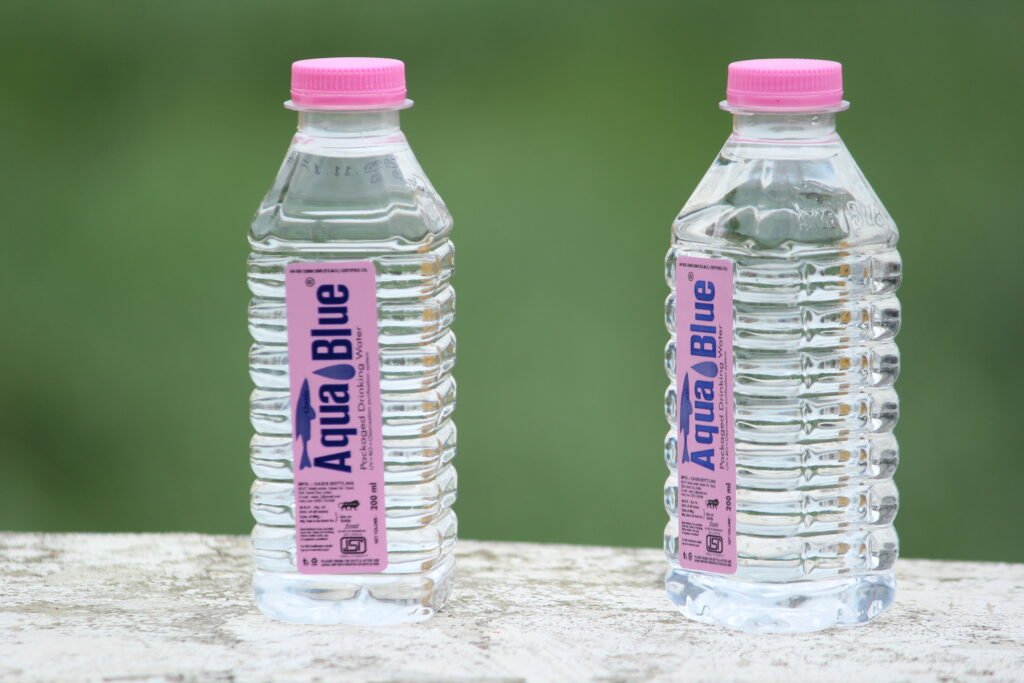
Don’t drink the tap water. Most hotels provide bottled water and restaurants use filtered water for drinks and ice.
Why Cancún Still Works
More than fifty years after it was first imagined on a government planning map, Cancún continues to evolve. What began as a carefully calculated tourism experiment has grown into a destination that offers far more than its reputation suggests. Yes, the beaches are still some of the best in the Caribbean. Yes, the nightlife and spring break energy are still part of the story. But Cancún also serves as a gateway to ancient ruins, underground rivers, jungle ecosystems, and one of the most fascinating cultural regions in Mexico. For travelers willing to explore beyond the resort pool, the destination reveals a lot more depth than expected.
And that’s exactly why Cancún continues to draw millions of visitors every year.
Ready to book your next trip?
Trip Inquiry
- 920-606-3409
- info@tangolilmaleisure.com
- Oshkosh, Wi
Florida Seller of Travel Ref.: No. ST15578
California Seller of Travel No. 2090937-50
Washington UBID No. 603189022
Iowa Registered Agency No. 1202
Newsletter
Subscribe to our newsletter to stay informed on everything travel related! Blog posts, new products (and sales), new travel specials, etc!